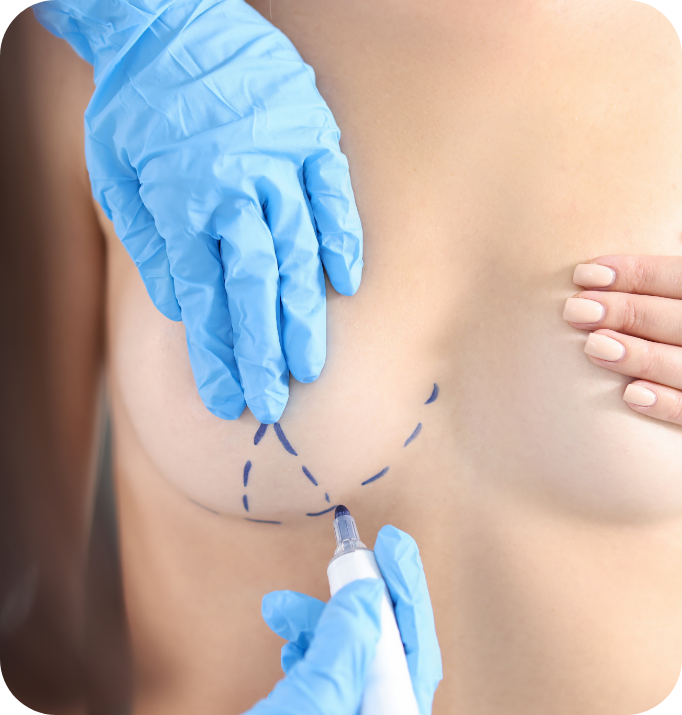

Choosing between saline and silicone breast implants is one of the most important decisions patients make when considering breast augmentation. While both options are safe, FDA-approved, and widely used, understanding their differences in feel, structure, placement, and long-term behavior is essential for achieving natural, beautiful results.
As a breast augmentation specialist serving Pittsburgh and the surrounding region, Dr. Simona Pautler believes that education is one of the most powerful tools patients have when making surgical decisions. The following guide reflects the same detailed explanations she provides during consultations — helping patients understand not only the technical distinctions between implant types but how those differences translate into real-world outcomes.
What Saline and Silicone Implants Have in Common
At first glance, saline and silicone implants appear very similar. Both are round, have smooth outer shells, and meet rigorous safety standards.
As Dr. Pautler often explains to patients:
“If you look at them they kind of look the same — they’re round, they have a smooth shell, both of them are safe, both of them are FDA approved — but there are some key differences.”
Those differences influence how implants feel, how they are placed during surgery, and how they behave over time.
How Saline Implants Work
Saline implants are filled with sterile saltwater and feature a small valve used during surgery. Unlike silicone implants, saline implants are inserted empty and filled once positioned inside the breast pocket.
Key characteristics of saline implants:
- Inserted empty and filled after placement
- Adjustable volume during surgery
- Self-sealing valve system
- Potential for slightly smaller incisions
This fill-after-placement approach allows surgeons to refine symmetry and size with precision during surgery.
How Silicone (Gel) Implants Work
Silicone implants — often referred to as gel implants — arrive pre-filled with cohesive silicone gel and do not contain a filling valve.
Many patients prefer silicone implants because of their cohesive structure and natural feel. The gel behaves somewhat like gelatin, helping the implant maintain shape while remaining soft.
Dr. Pautler frequently uses specialized insertion techniques, including funnel-assisted placement, which allows the implant to glide smoothly into position through a carefully planned incision.
Feel, Structure, and Appearance Differences
Patients commonly ask how saline and silicone implants differ in feel.
Silicone gel implants typically maintain shape more consistently and may appear smoother because the gel is cohesive. Saline implants contain fluid, which can sometimes create subtle wrinkling or rippling — particularly in patients with thinner tissue coverage.
As Dr. Pautler describes:
“The gel holds its shape a little bit more because it’s more like Jell-O… the salt water, because it’s just water, has a little bit more wrinkling.”
Helping patients experience these differences firsthand is an important part of her consultation process.
Weight and Density Differences
Even when two implants are the same size, they may not weigh exactly the same. Silicone gel implants are generally slightly lighter because the gel material is less dense than saline fluid.
While subtle, this difference can influence how implants feel and settle over time.
Implant Placement Techniques
Saline Implant Insertion
Because saline implants are empty at insertion, they can be rolled or folded before placement. Once positioned inside the breast pocket, the implant is filled through the integrated valve.
Silicone Implant Insertion
Silicone implants are pre-filled and inserted using precise techniques. Funnel-assisted insertion helps minimize handling and supports optimal placement.
Dr. Pautler’s surgical approach emphasizes meticulous technique to achieve natural-looking results.
Implant Profiles and Customization
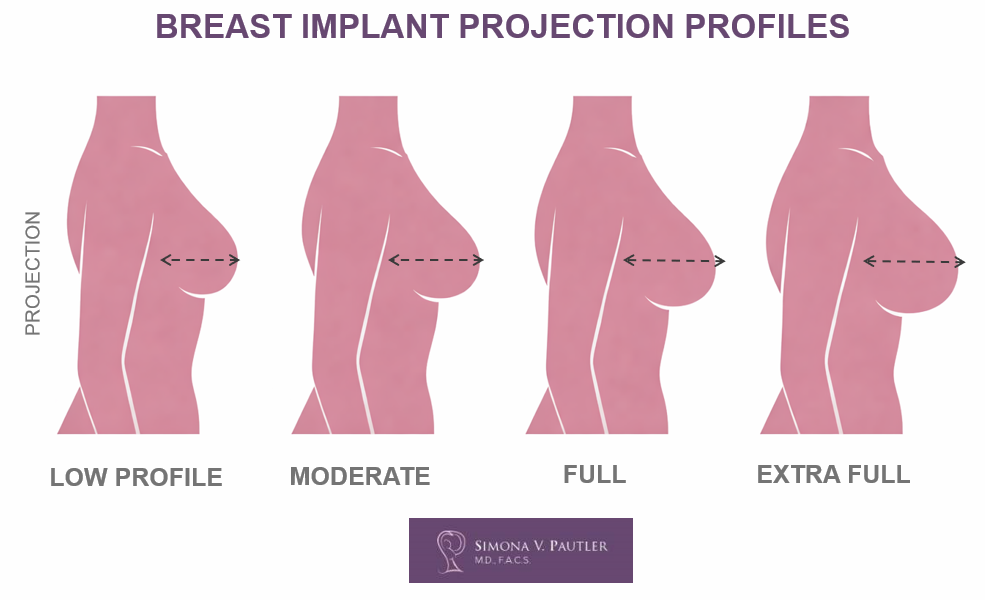
Both saline and silicone implants are available in multiple profiles, allowing customization based on anatomy and aesthetic goals.
Common profile options include:
- Moderate profile — wider base with softer projection
- Full or extra-full profile — increased projection and upper fullness
- Low-profile options — flatter and wider designs used selectively
Selecting the right profile is part of a personalized planning process designed around each patient’s unique anatomy.
Understanding Modern Silicone Gel Types
All modern silicone implants contain cohesive gel, often referred to as “gummy bear” implants, though firmness levels vary.
Options may include:
- Softer responsive gel
- Medium cohesive gel
- Highly cohesive gel that maintains shape more strongly
Firmer implants can enhance upper fullness, while softer implants may feel more natural. Dr. Pautler helps patients evaluate these differences during consultation.
What Happens If an Implant Fails?
Although breast implants are durable, they are not lifetime devices. Understanding how each implant behaves if it ruptures is important.
Saline Implant Rupture
If a saline implant develops a leak:
- The saline drains gradually.
- The breast becomes smaller as the implant deflates.
- The body safely absorbs the saltwater.
Silicone Implant Rupture
If a silicone implant ruptures:
- The cohesive gel typically remains within the implant pocket.
- The implant does not collapse or visibly deflate.
- Changes may be subtle or unnoticed, sometimes called a “silent rupture.”
As quoted in New Beauty (Rowan Lynam, Nov. 19, 2024), Dr. Pautler explains:
“These implants are a lot like frozen honey, where the material retains its shape and sticks to itself. So you may not be able to tell a rupture has occurred with the naked eye.”
This cohesive design is one reason modern silicone implants behave differently than older-generation devices.
Why Personalized Guidance Matters
Choosing between saline and silicone implants is not about one being universally better than the other. The right choice depends on:
- Individual anatomy
- Desired aesthetic goals
- Lifestyle considerations
- Long-term expectations
Dr. Simona Pautler’s patient-centered approach focuses on individualized planning and detailed education, ensuring patients feel confident and empowered in their decisions.
Final Thoughts
For patients considering breast augmentation in Pittsburgh, understanding the differences between saline and silicone implants is an essential step toward achieving beautiful, natural-looking results.
Through expert guidance and personalized consultation, Dr. Simona Pautler helps patients navigate these choices with clarity — offering insights grounded in both surgical expertise and real-world patient experience.